
Hybrid solar & battery storage
Hybrid solar and batteries: keep the power on in a power cut
Sun by day, battery by night — and the lights stay on in a power cut.
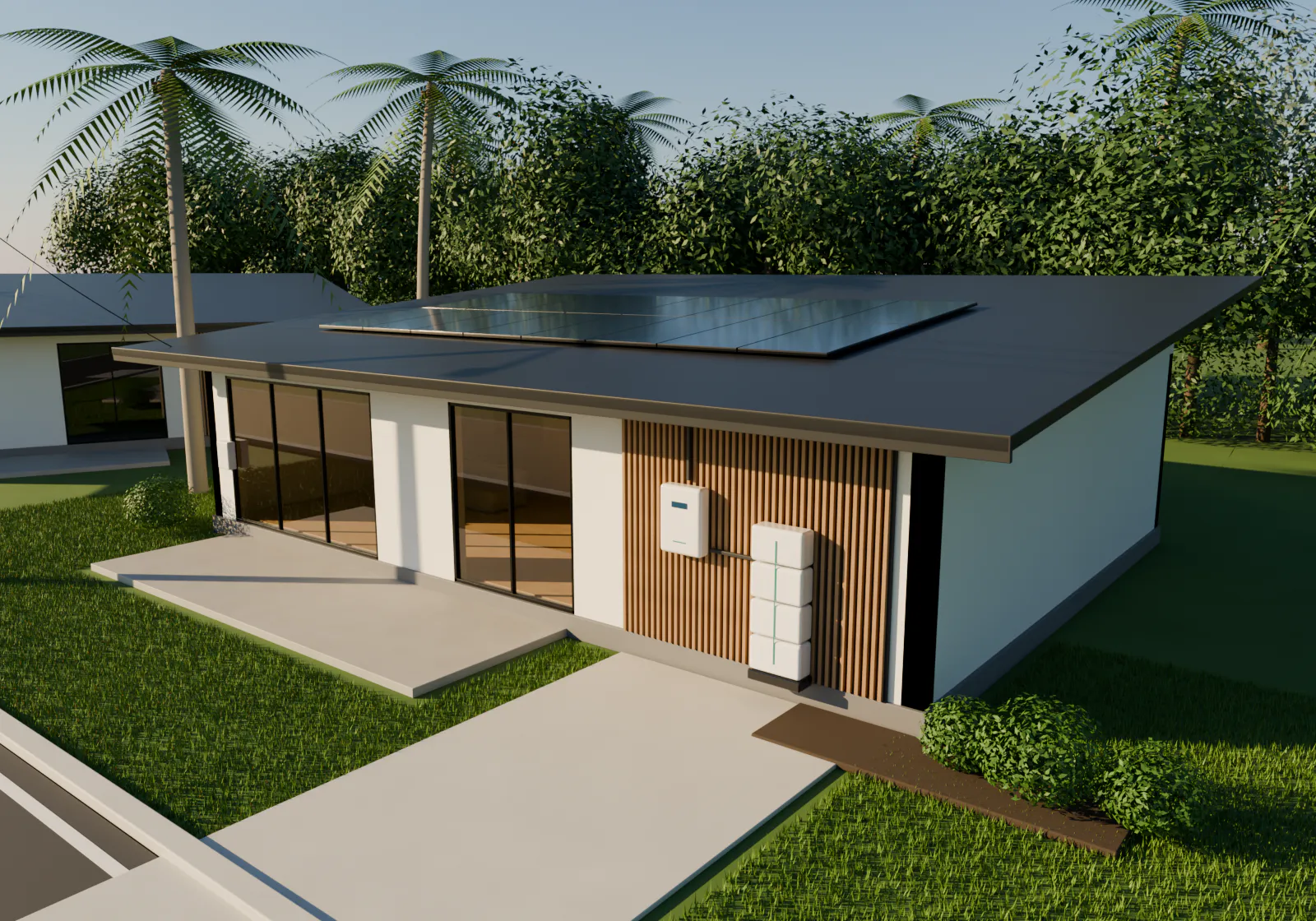
Sun powers the home and charges the battery
- Day
Sun powers the home and charges the battery
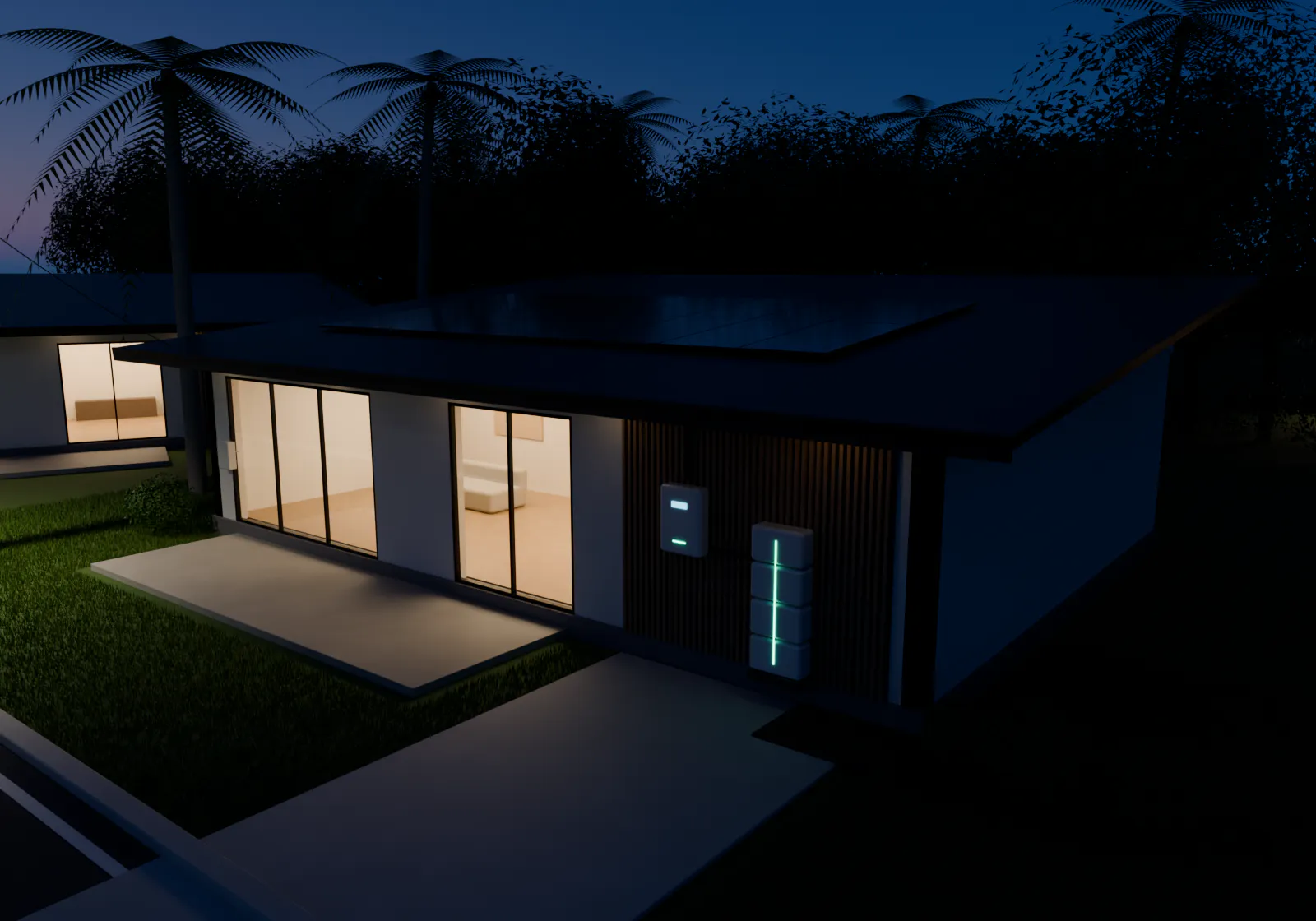 Night
The battery takes over
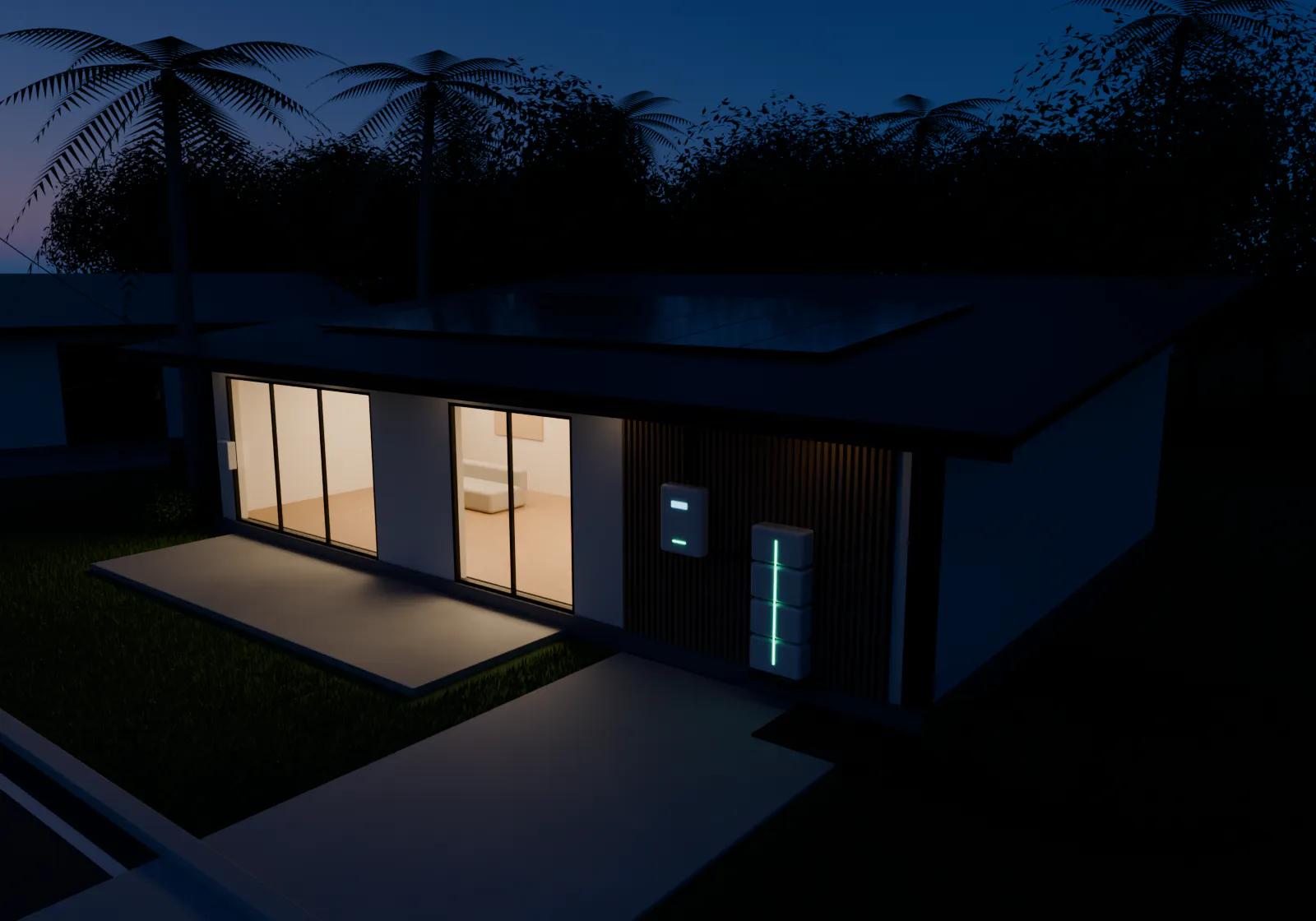 Power cut
Lights and fridge stay on
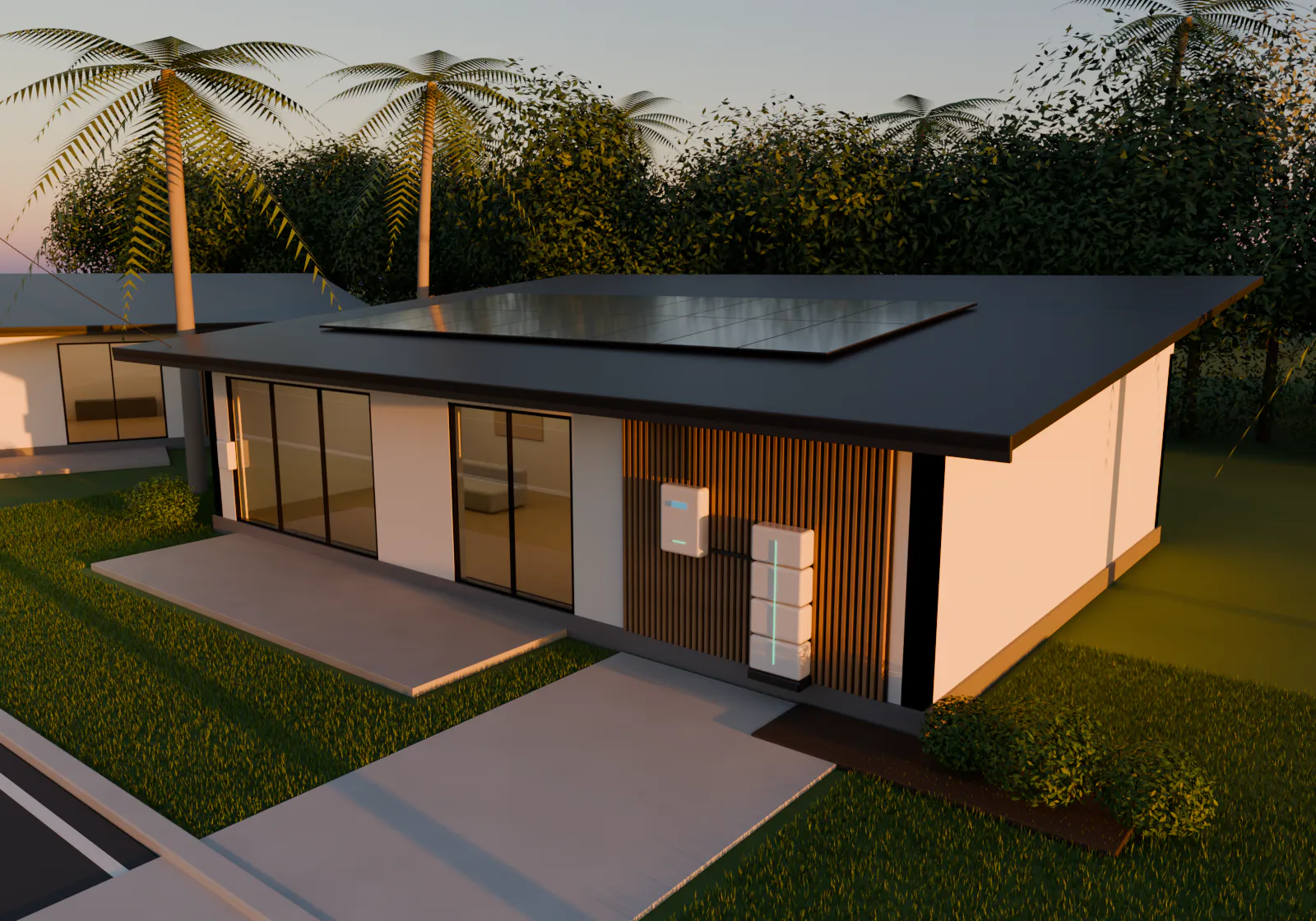 Power back
Switches back by itself
What's in a hybrid system
Illustration (3D render)- Solar panelsTurn sunlight into power
- Hybrid inverterThe brain: decides where power goes
- BatteryStores power for night and outages
- Grid & meterTops up when sun and battery fall short
- Your homeEssential loads sit on a backup circuit
Where your power comes from
When the home needs power, it uses
- 1Sun
- 2Battery
- 3Grid
When there's spare sun, it goes to
- 1The battery
- 2The grid, once the battery is full*
*A common “self-use first” setting. Export depends on the scheme your system is approved under.
A day, hour by hour
- Sun
- Battery
- Grid
- Charging battery
- To the grid
- Home use
- 03:15Battery empty, grid tops up
- 08:45Sun powers the home, spare charges the battery
- 15:45Battery full, spare goes to the grid
- 17:00Sun down, battery takes over
| Time | Home uses | Spare goes to |
|---|---|---|
| 00:00 | Battery | – |
| 02:00 | Battery | – |
| 04:00 | Grid | – |
| 06:00 | Grid | – |
| 08:00 | Sun, Grid | – |
| 10:00 | Sun | Battery |
| 12:00 | Sun | Battery |
| 14:00 | Sun | Battery |
| 16:00 | Sun | Grid |
| 18:00 | Sun, Battery | – |
| 20:00 | Battery | – |
| 22:00 | Battery | – |
When a hybrid system makes sense
Frequent outages
Grid supply is available but interruptions affect daily operations or comfort.
Generator-dependent sites
A generator runs for long hours; solar and batteries can take over part of that load.
Essential equipment
Refrigeration, security systems, network equipment, water pumps or other loads that should keep running.
Three systems, side by side
On-grid
No battery
- Yes
- Solar by day
- No
- Own power at night
- No
- Power in a grid outageShuts down to keep line workers safe
- Yes
- Grid tops up
Hybrid
Grid + battery
- Yes
- Solar by day
- Yes
- Own power at night
- Yes
- Power in a grid outageBackup circuit stays on
- Yes
- Grid tops up
Off-grid
No grid
- Yes
- Solar by day
- Yes
- Own power at night
- Yes
- Power in a grid outageNot on the grid
- No
- Grid tops upBattery or generator
Keep the fridge, pump and Wi‑Fi running in a power cut
Back up what matters most, not the whole building. Essential loads go on a backup circuit — we agree the list with you.
Example only — the final list depends on your loads and battery size.
On the backup circuit
- Fridge & freezer
- Lights
- Wi-Fi & network
- Security & CCTV
- Water pump
Usually not backed up
- Aircon
- Water heater
- Oven & cooker
Watch it all from your phone
One screen shows where every watt goes.
- Is the sun working?See what your panels make, right now.
- How full is the battery?The charge level, and whether it's filling or giving power.
- Using the grid?See when you draw from it, and when you don't need it.
- What is the home using?Your use, at a glance.
- Is the sun working?See what your panels make, right now.
- How full is the battery?The charge level, and whether it's filling or giving power.
- Using the grid?See when you draw from it, and when you don't need it.
- What is the home using?Your use, at a glance.
Example screen modelled on a real monitoring app. Figures are examples; what you see depends on your inverter brand.
Switchover and monitoring
Switchover
Depends on the inverter and backup wiring — we explain what to expect.
App monitoring
Solar output, battery level and use — where the equipment supports it.
Grid rules
We advise what applies to your setup.
Design variables we work through with you
- Which loads need backup, and for how many hours
- Peak and starting power of those loads
- Daytime vs night-time consumption
- Available roof or ground space for PV
- Battery type and capacity
- How the grid and/or generator connect to the system
- Room for future expansion
- Budget range
What we need to prepare a proposal
You don't need all of this to start — send what you have and we'll ask for the rest.
- Site location (town / area, and whether access is by road, boat, etc.)
- Current power situation: no power, generator, grid with outages, or grid
- List of equipment you want to run, with power ratings (watts) if known
- Hours of use for each item, and whether it runs in the day or at night
- How long backup should last during outages or cloudy periods
- Where the panels and equipment could go — photos of the roof or ground area help
- Budget range (optional) and any plans to add loads later
Related projects
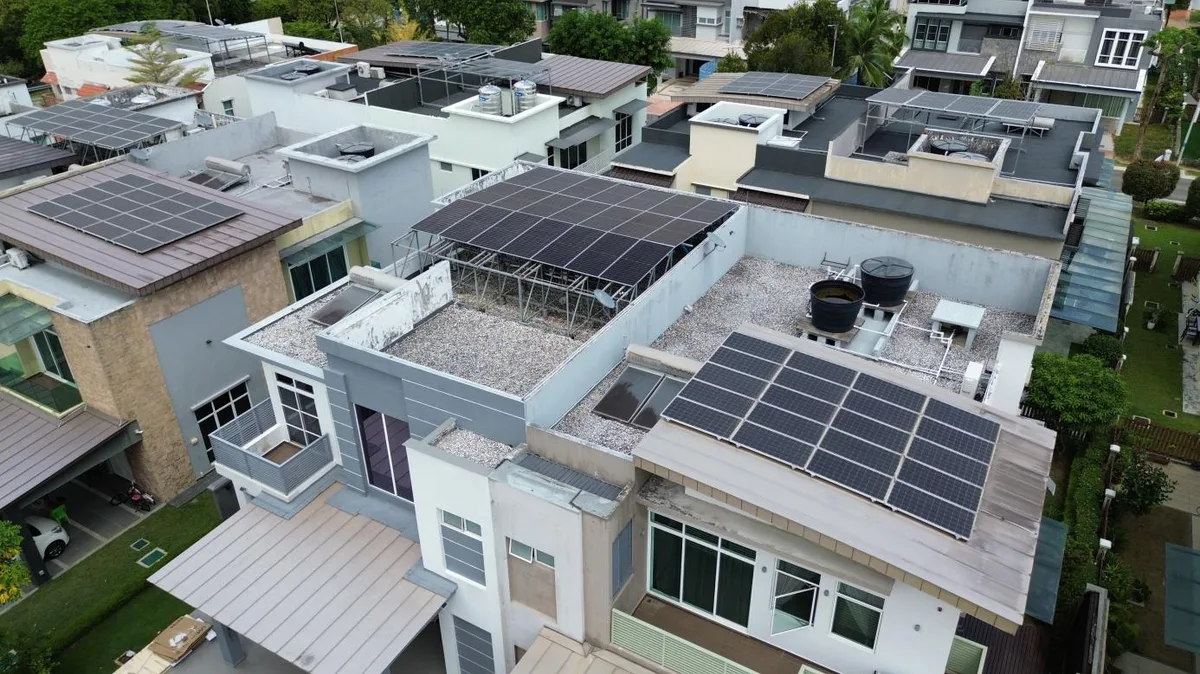
13.2 kWpSetia Alam, Selangor
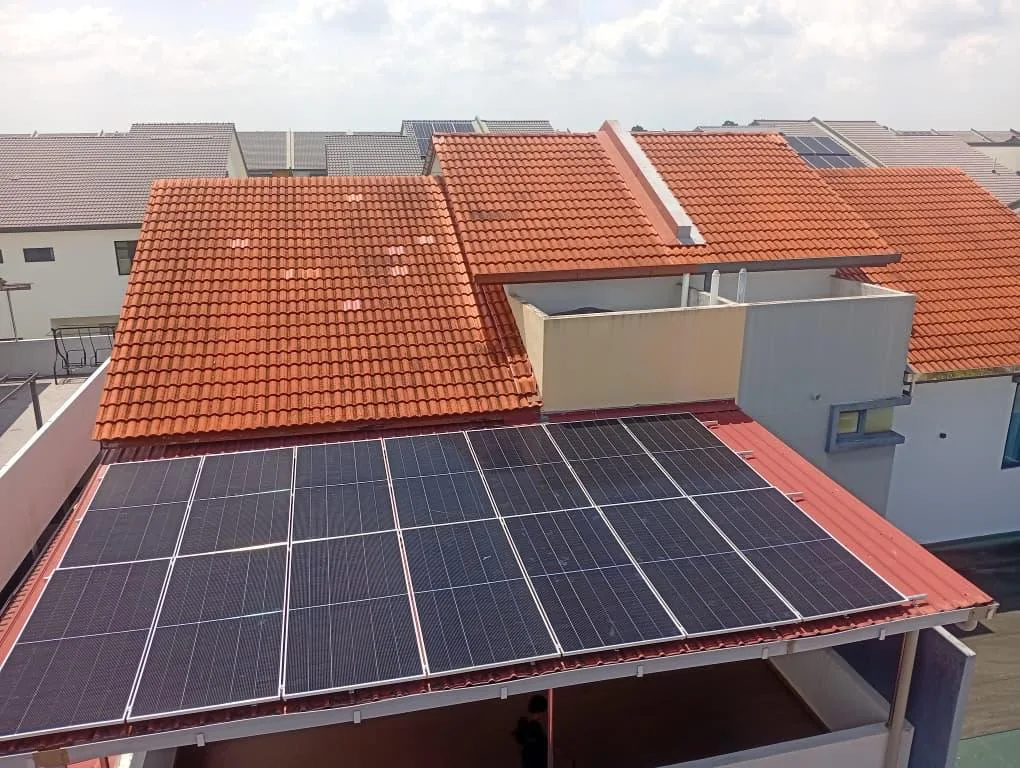
9.1 kWpJenjarom, Selangor
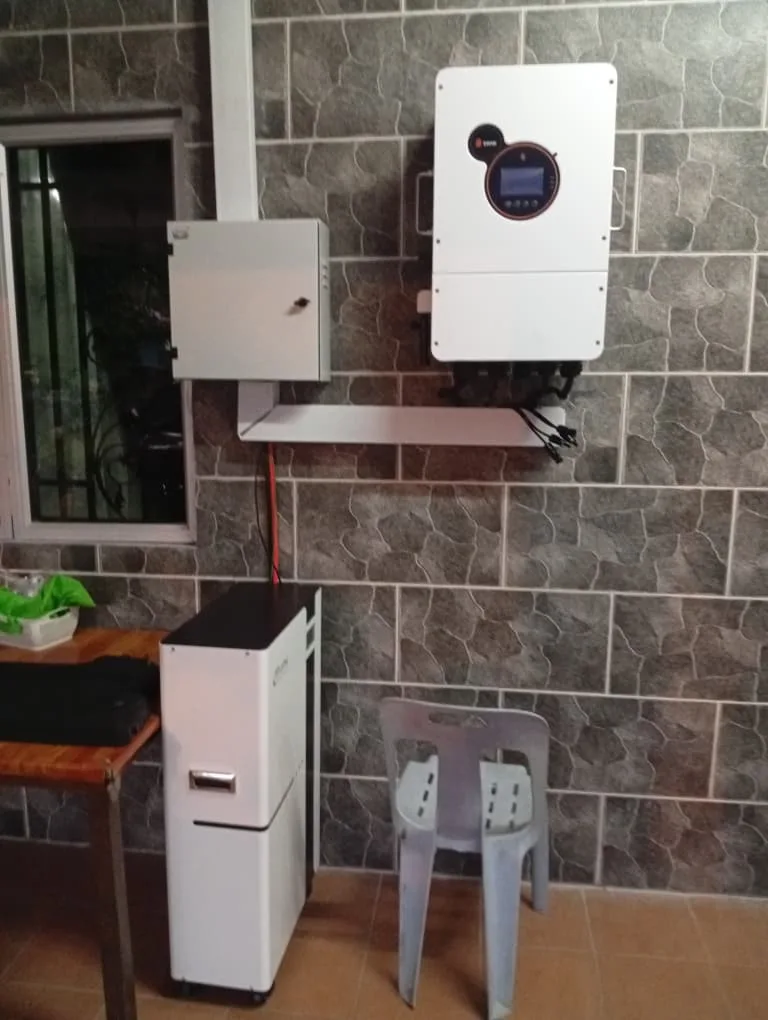
9.1 kWp · 16 kWhUlu Yam, Selangor
Need backup you can plan around?
Tell us what needs to keep running and how long outages usually last.